
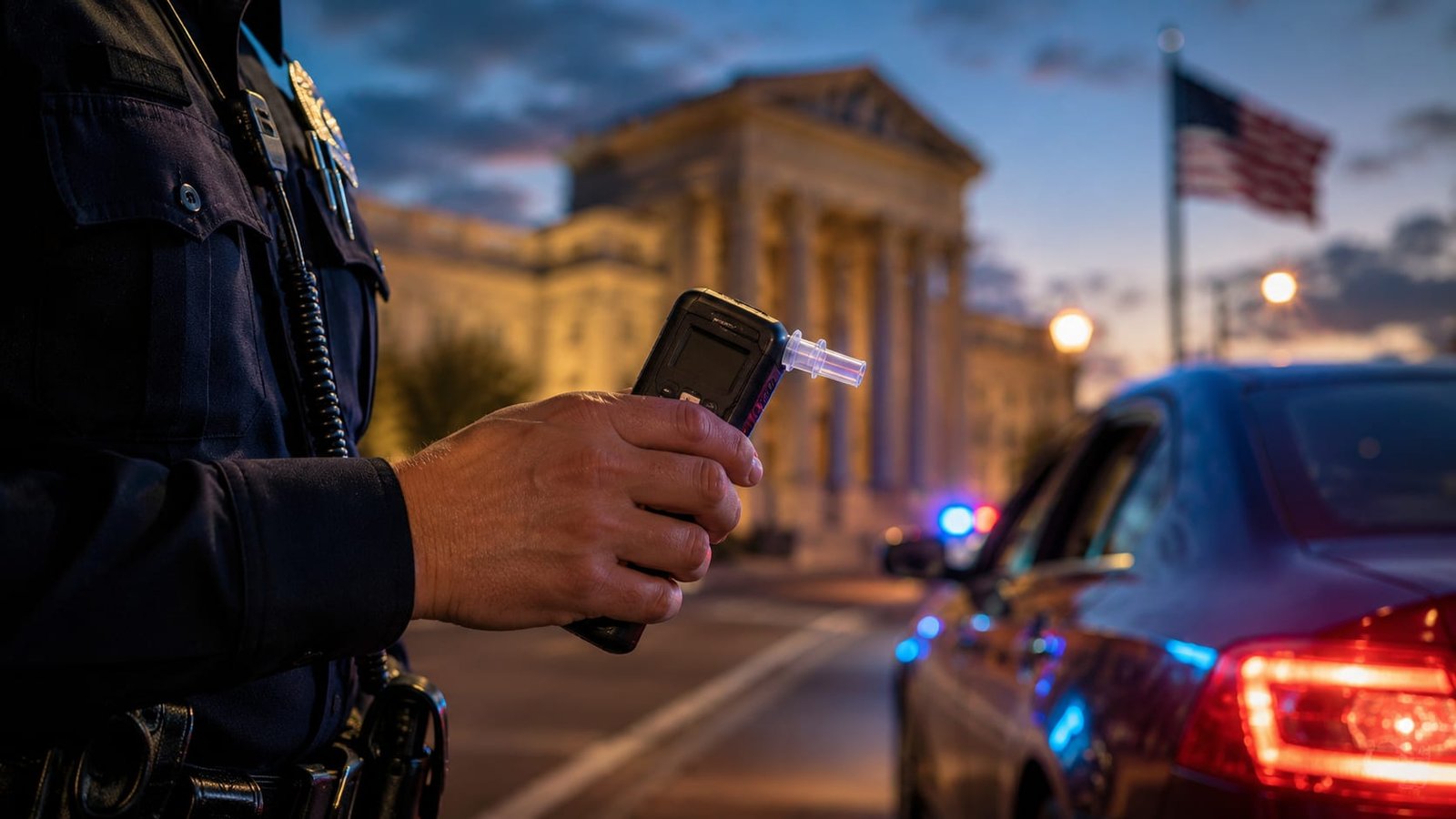
Refusing a Breath Test: What Really Happens?
If you are stopped on suspicion of driving under the influence (DUI), one of the most important decisions you may face is whether to submit to a chemical breath test. Many drivers believe refusing a breath test automatically helps their case, while others assume they have no choice but to comply. The truth is more complicated.
Colorado has what is known as an Express Consent Law, which means that by driving on Colorado roads, drivers generally agree to submit to a chemical test if a law enforcement officer has probable cause to believe they are driving under the influence of alcohol or drugs.
Refusing a breath or blood test can have serious legal and administrative consequences that are separate from any criminal DUI charges. Understanding what refusal means—and what may happen afterward—can help you make informed decisions if you ever find yourself in this situation.
What Is a Breath Test?
A breath test measures the concentration of alcohol in a person’s breath to estimate their blood alcohol concentration (BAC).
There are generally two types of breath tests that drivers may encounter:
Preliminary Breath Test (PBT)
A roadside preliminary breath test may be requested during a DUI investigation. This portable device helps officers gather information before making an arrest.
The legal rules surrounding preliminary testing differ depending on the circumstances and the driver’s age or licensing status.
Evidentiary Chemical Breath Test
After an arrest for suspected DUI, law enforcement may request an evidentiary chemical test, usually a breath or blood test, under Colorado’s Express Consent Law.
The results of this test may be used as evidence in both criminal proceedings and administrative driver’s license actions.
What Is Colorado’s Express Consent Law?
Colorado law generally provides that anyone who drives a motor vehicle on public roads is considered to have consented to a chemical test if law enforcement has probable cause to believe the driver committed a DUI-related offense.
This does not mean officers can require testing in every situation.
However, if the legal requirements are met and you refuse the requested chemical test, additional consequences may follow.
Can You Refuse a Breath Test?
Physically, yes.
Legally, refusing a chemical breath or blood test may trigger significant consequences.
Many drivers mistakenly believe refusing testing means there will be no evidence.
In reality, prosecutors may still rely on:
-
Officer observations
-
Driving behavior
-
Field sobriety tests
-
Witness testimony
-
Dash camera or body camera footage
-
Statements made by the driver
-
Other available evidence
Refusing a chemical test does not necessarily prevent DUI charges from being filed.
Possible Consequences of Refusing
Although every case is different, refusing a chemical test may lead to:
-
Driver’s license consequences
-
Administrative proceedings
-
Possible use of the refusal as evidence
-
Additional legal complications
-
Increased challenges during a DUI defense
Administrative driver’s license proceedings are separate from criminal court.
This means a person may face driver’s license consequences even if the criminal case has not yet been resolved.
Refusing Does Not Automatically Mean You Avoid a DUI
One of the biggest misconceptions is that refusing a breath test prevents prosecutors from proving impairment.
That is not necessarily true.
DUI cases often rely on multiple forms of evidence, including:
-
Driving patterns
-
Officer observations
-
Physical appearance
-
Speech
-
Balance and coordination
-
Admissions by the driver
-
Video recordings
-
Witness accounts
A chemical test is only one piece of evidence.
Can Police Obtain a Blood Sample?
Depending on the circumstances, law enforcement may seek legal authorization to obtain evidence through other lawful means.
The procedures depend on the facts of each case and applicable constitutional protections.
Should You Refuse?
There is no universal answer.
Every DUI investigation is unique.
The legal consequences of submitting to or refusing testing depend on many factors, including:
-
Prior DUI history
-
Age
-
Commercial driver’s license status
-
Probable cause
-
Available evidence
-
The specific circumstances of the stop
For this reason, legal guidance after a DUI arrest is often important.
Common Misconceptions
“If I refuse, they can’t charge me.”
False.
A DUI charge may still be filed without a chemical test.
“Refusing makes the case disappear.”
False.
Investigators may rely on numerous other forms of evidence.
“Only breath tests matter.”
False.
Colorado law may involve breath or blood testing depending on the circumstances.
“I can explain everything later.”
Statements made during a traffic stop may become evidence.
Knowing your legal rights before making detailed statements can be important.
Protect Your Rights During a DUI Investigation
If you are stopped by law enforcement:
-
Remain calm.
-
Be respectful.
-
Follow lawful instructions.
-
Avoid arguing with officers.
-
Be mindful that your statements may later become evidence.
-
Understand that administrative and criminal proceedings may occur simultaneously.
The decisions made during the first few hours after a DUI arrest can significantly affect the outcome of your case.
Why Early Legal Representation Matters
DUI cases involve more than just criminal court.
Many drivers also face deadlines related to driver’s license issues and administrative hearings.
An experienced DUI defense attorney can help:
-
Review the legality of the traffic stop
-
Evaluate police procedures
-
Examine chemical testing issues
-
Analyze available evidence
-
Protect constitutional rights
-
Explain available legal options
-
Represent you during criminal and administrative proceedings
Every case presents unique facts, and early legal guidance may help identify potential defenses and procedural issues.
Frequently Asked Questions
Can I refuse a breath test in Colorado?
Drivers may physically refuse testing, but doing so may result in significant legal and administrative consequences under Colorado law.
Will refusing automatically prevent a DUI conviction?
No. Prosecutors may rely on many forms of evidence beyond chemical test results.
Is a roadside breath test the same as the official breath test?
No. Different rules may apply to roadside preliminary breath tests and evidentiary chemical tests requested after an arrest.
Can refusing affect my driver’s license?
Yes. Refusal may result in administrative driver’s license consequences that are separate from the criminal case.
Should I contact a DUI attorney after refusing a breath test?
Because refusal cases often involve both criminal charges and driver’s license proceedings, seeking experienced legal guidance as soon as possible can be beneficial.
Protect Your Future After a DUI Arrest
A DUI arrest can affect your driver’s license, employment, finances, insurance, and future opportunities. If you refused a breath or blood test—or if you are facing any DUI-related charge—it is important to understand your rights and your legal options.
At Brandon Marinoff & Associates, we provide experienced, compassionate DUI defense for individuals throughout Colorado. We carefully examine every aspect of a DUI investigation, protect our clients’ constitutional rights, and work toward the best possible outcome under the circumstances.
The choices you make during a DUI investigation can have lasting consequences. The legal guidance you receive afterward can make all the difference.